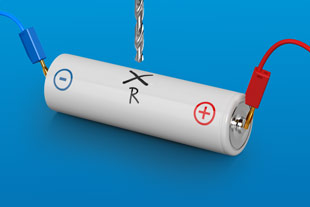
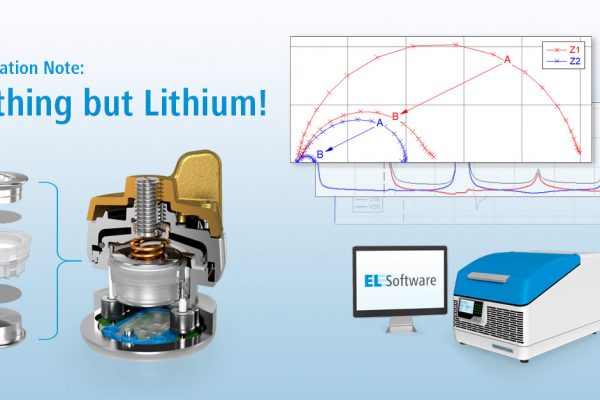
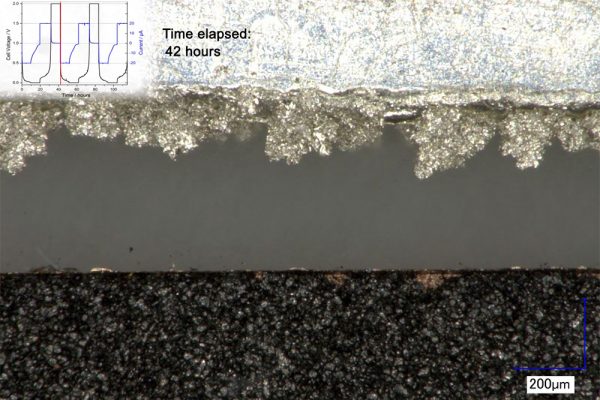
Testing materials for lithium-ion batteries A battery is a can with two terminals named plus and minus, or 1 and 2. Testing this battery means that you apply either...
read more →
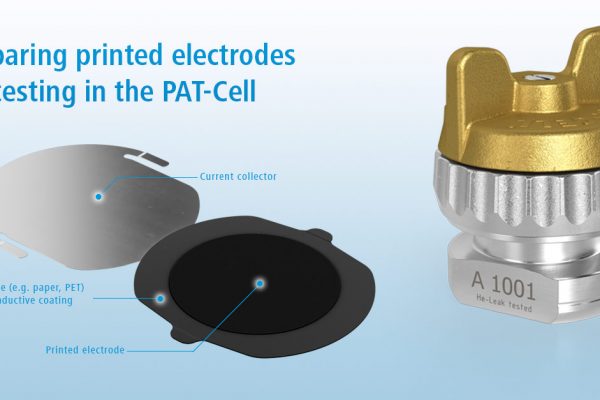
What is a printed electrode? A printed electrode can be fabricated using techniques such as screen printing or inkjet printing which offer the advantage to produce structured electrodes. The electrode...
read more →
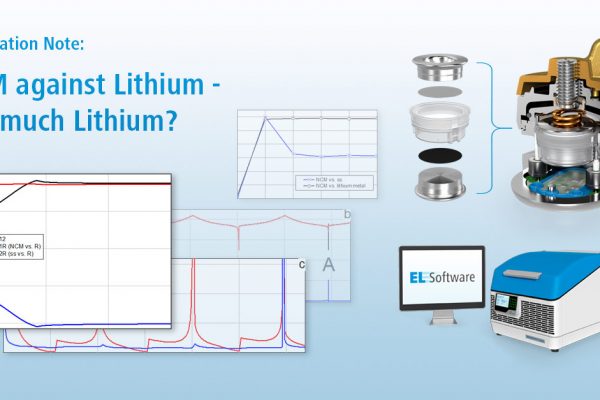
In our last application note we took a closer look at the cathode "half-cell" of the lithium-ion battery, which in our case was NCM against lithium metal. It turned out,...
read more →
New cathode and anode materials for lithium ion batteries (LiB) are often tested for their electrochemical performance using lithium metal as the counter electrode. In laboratory language, these configurations are...
read more →
This application note is supposed to be the first in a series dealing with the electrochemical testing of materials for lithium-ion batteries (LiB) using the PAT system from EL-CELL. More...
read more →
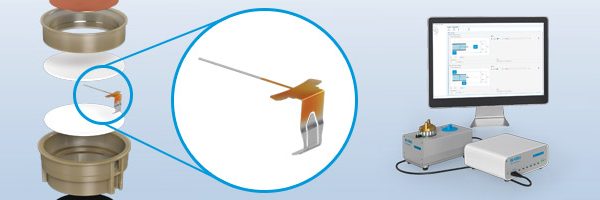
Update 01/2026: Everything we write here still holds. However, the finger-type reference electrode is no longer available. The good news is that we now have an even better...
read more →
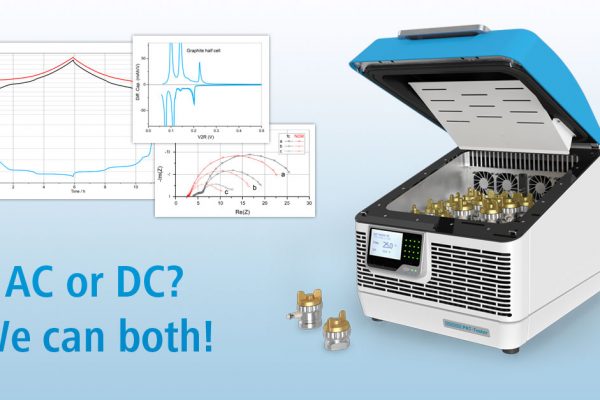
Very often, Li-ion test cells are characterized in two separate experiments: first, constant current charge/discharge cycles are applied in order to learn about the direct current (dc) behavior of the...
read more →
The anode material in almost all of today’s secondary lithium-ion batteries is graphite. In order to boost the energy density, we would love to replace the graphite by...
read more →
In a previous application note named “1001 reasons for using a reference electrode” we tried to convince you of the advantages of three-electrode cells with reference electrode over so-called half...
read more →
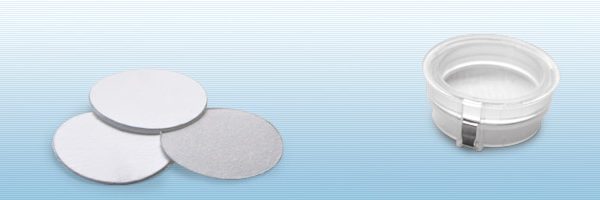
The FS-5P is a double-layered separator comprising a 180 µm-thick nonwoven PP cloth (Freudenberg FS 2226 E) and a 38 µm-thick microporous UHMW-PE membrane (Gore Heerlen Solupor 5P09B). We offer...
read more →
« Previous Page — Next Page »