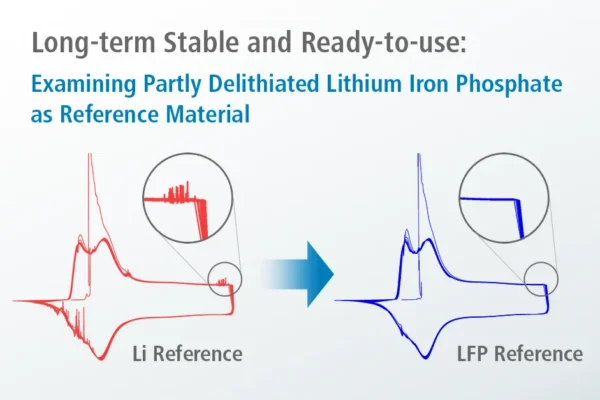
Lithium iron phosphate (LiFePO₄, LFP) is a well-established cathode material in lithium-ion battery research due to its excellent electrochemical stability, intrinsic safety, non-toxicity, and low cost. Beyond its commercial success,... read more →
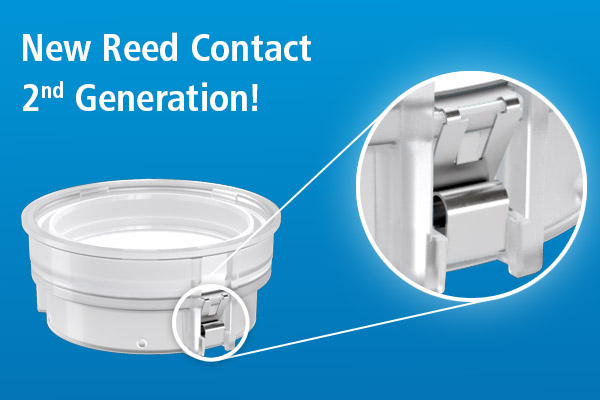
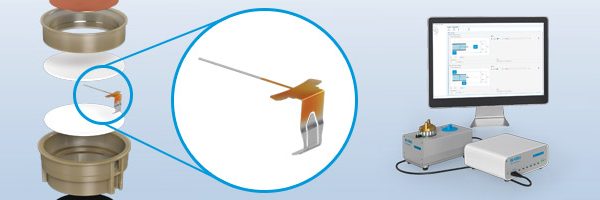
Further Improve Your Measurements with the New Reed Contact Generation! It may seem inconspicuous, but the reed contact is a central element in every PAT-Core, as it transmits the signal... read more →
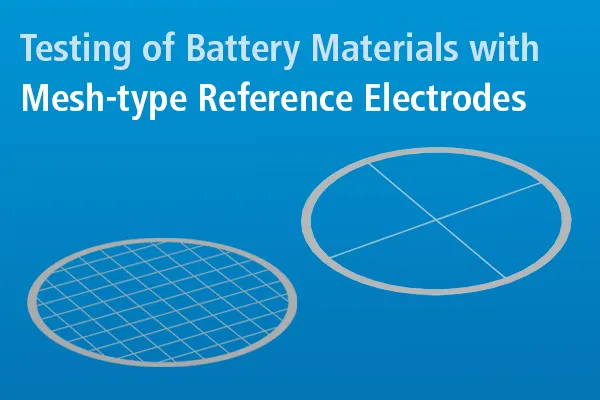
Testing of Battery Materials with Mesh-type Reference Electrodes A long time ago, we advertised to use a finger-type (aka wire-type) reference electrode. Everything we wrote still holds. However, the bad... read more →
Comparing Seal Materials: When should I use aluminum or PE seals? The battery test cells in the PAT series are characterized by their high impermeability to the outside atmosphere.... read more →
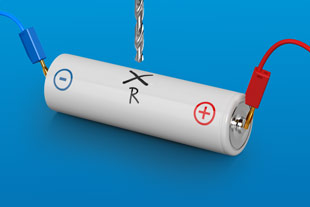
Testing materials for lithium-ion batteries A battery is a can with two terminals named plus and minus, or 1 and 2. Testing this battery means that you apply either... read more →
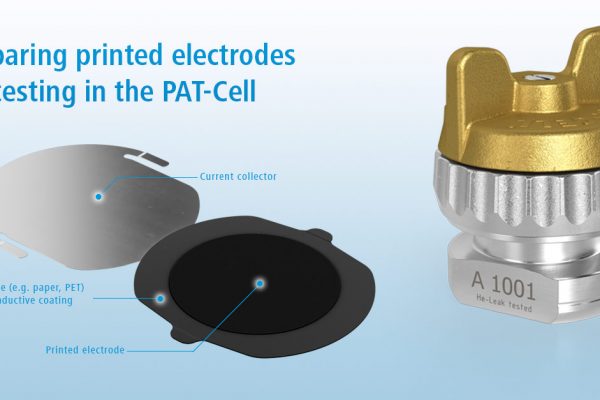
What is a printed electrode? A printed electrode can be fabricated using techniques such as screen printing or inkjet printing which offer the advantage to produce structured electrodes. The electrode... read more →
Update 01/2026: Everything we write here still holds. However, the finger-type reference electrode is no longer available. The good news is that we now have an even better... read more →
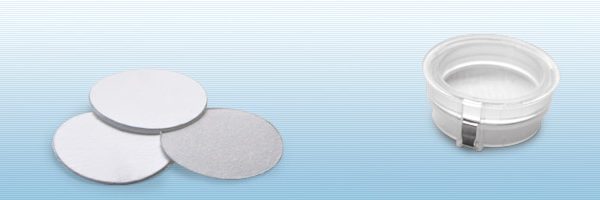
The FS-5P is a double-layered separator comprising a 180 µm-thick nonwoven PP cloth (Freudenberg FS 2226 E) and a 38 µm-thick microporous UHMW-PE membrane (Lydall Solupor 5P09B). We offer PAT... read more →
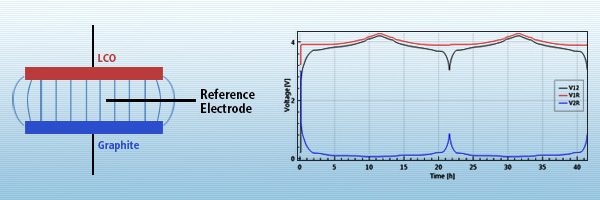
There are many good reasons for using a reference electrode. In this note, we report a few of them using the example of a lithium-ion battery comprising a lithium cobalt... read more →