Matthias has a PhD in physical chemistry and brings over 15 years of hands-on research experience in electrochemistry, gained at institutions such as Honeywell, Daimler, and the Paul Scherrer Institute.
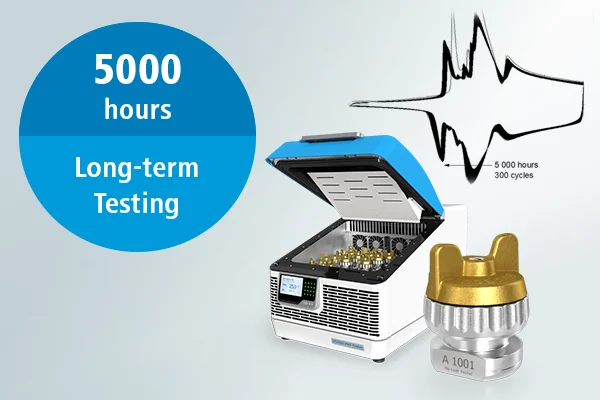
New 5000-hour Sample Test Results Some time ago, we demonstrated the outstanding reliability and accuracy of the PAT-Cell, our standard 3-electrode battery test cell, in combination with our PAT-tester-i-16 potentiostat,... read more →
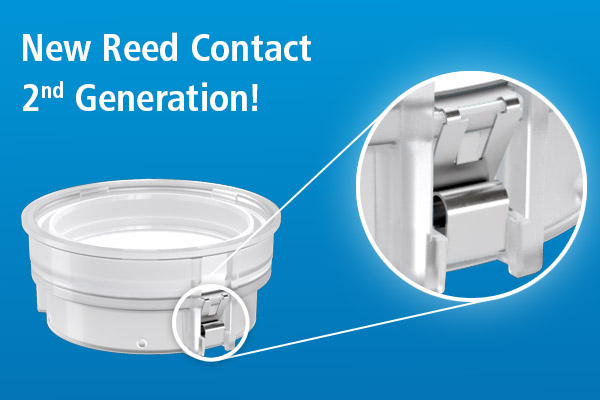
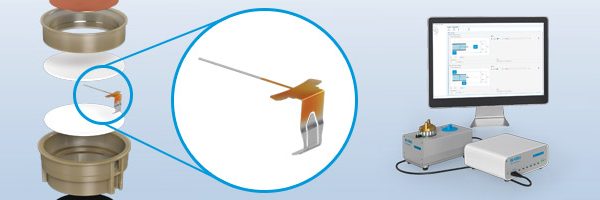
Further Improve Your Measurements with the New Reed Contact Generation! It may seem inconspicuous, but the reed contact is a central element in every PAT-Core, as it transmits the signal... read more →
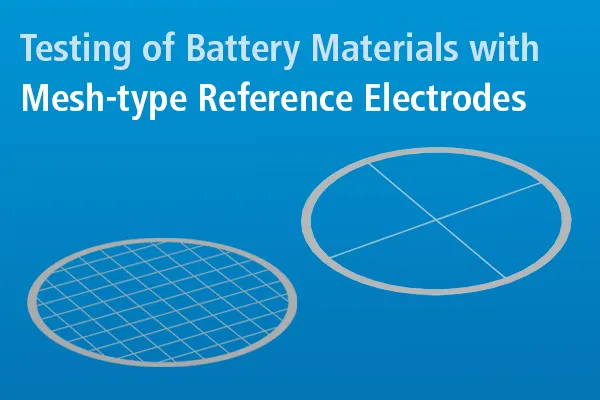
Testing of Battery Materials with Mesh-type Reference Electrodes A long time ago, we advertised to use a finger-type (aka wire-type) reference electrode. Everything we wrote still holds. However, the bad... read more →
Comparing Seal Materials: When should I use aluminum or PE seals? The battery test cells in the PAT series are characterized by their high impermeability to the outside atmosphere.... read more →
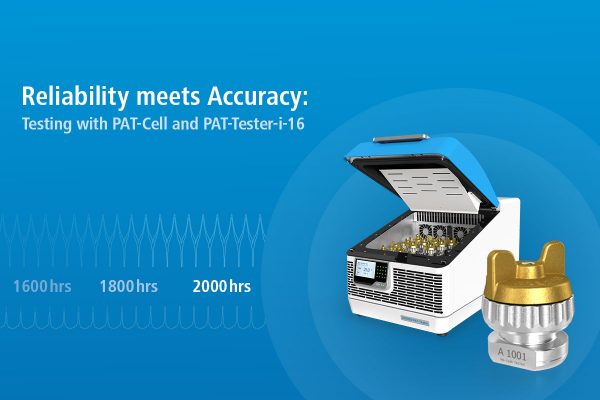
Reliability meets Accuracy: Testing with PAT-Cell and PAT-Tester-i-16. We want to show the results of our last long-term measurement (2000 hours) with the PAT-Cell. The PAT-Cell is our reliable... read more →
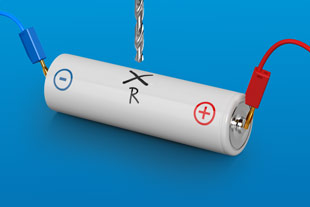
Testing materials for lithium-ion batteries A battery is a can with two terminals named plus and minus, or 1 and 2. Testing this battery means that you apply either... read more →
In our last application note we took a closer look at the cathode "half-cell" of the lithium-ion battery, which in our case was NCM against lithium metal. It turned out,... read more →
New cathode and anode materials for lithium ion batteries (LiB) are often tested for their electrochemical performance using lithium metal as the counter electrode. In laboratory language, these configurations are... read more →
This application note is supposed to be the first in a series dealing with the electrochemical testing of materials for lithium-ion batteries (LiB) using the PAT system from EL-CELL. More... read more →
Update 01/2026: Everything we write here still holds. However, the finger-type reference electrode is no longer available. The good news is that we now have an even better... read more →